
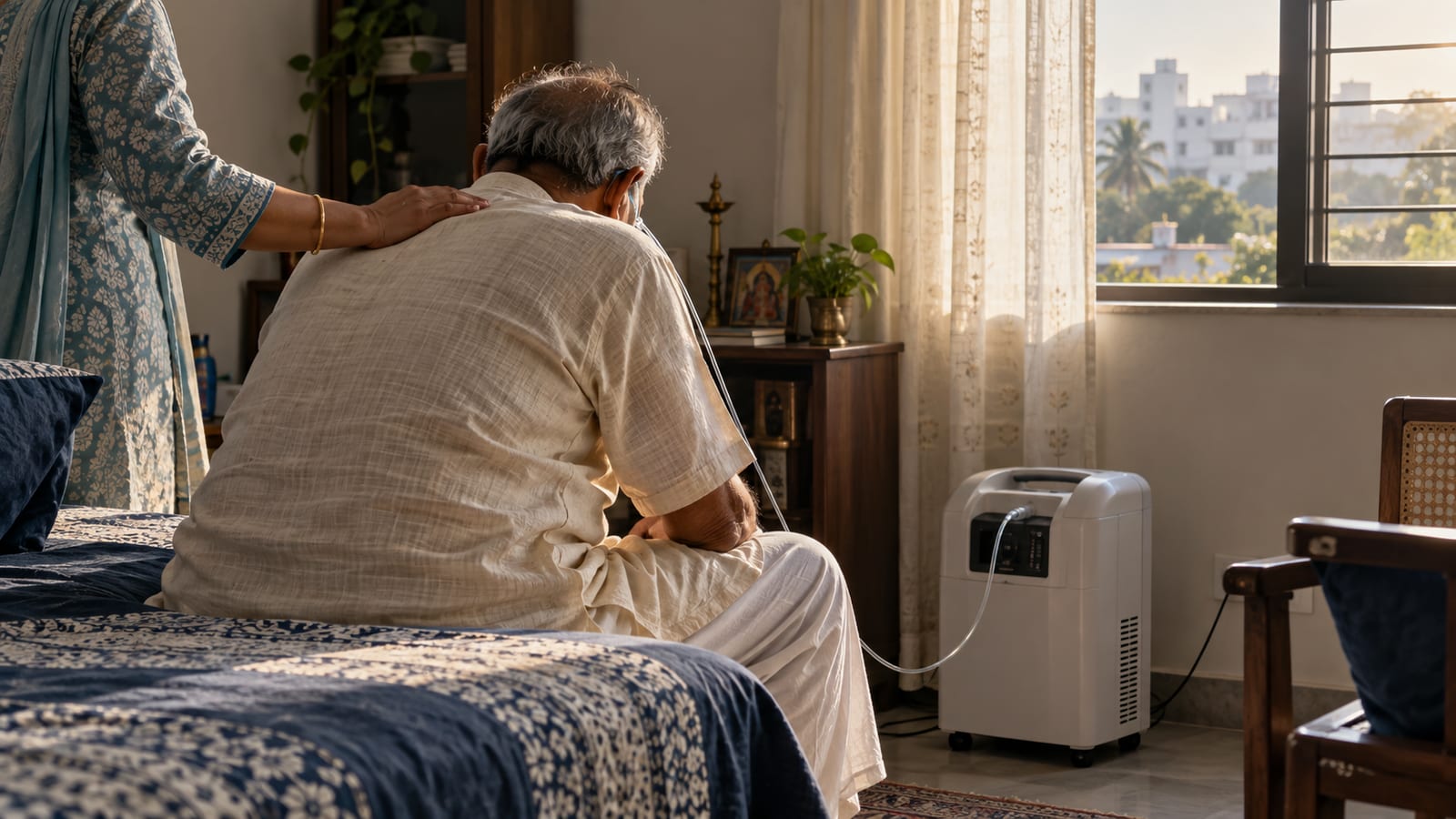
Most families living with severe COPD hear the words “lung transplant” too late, or never. The inhalers have been changed three times, the oxygen concentrator is running most of the day, the hospital admissions are coming closer together, and nobody has said out loud that there is a treatment which replaces the damaged lungs. By the time someone does, the patient is often too weak to qualify.
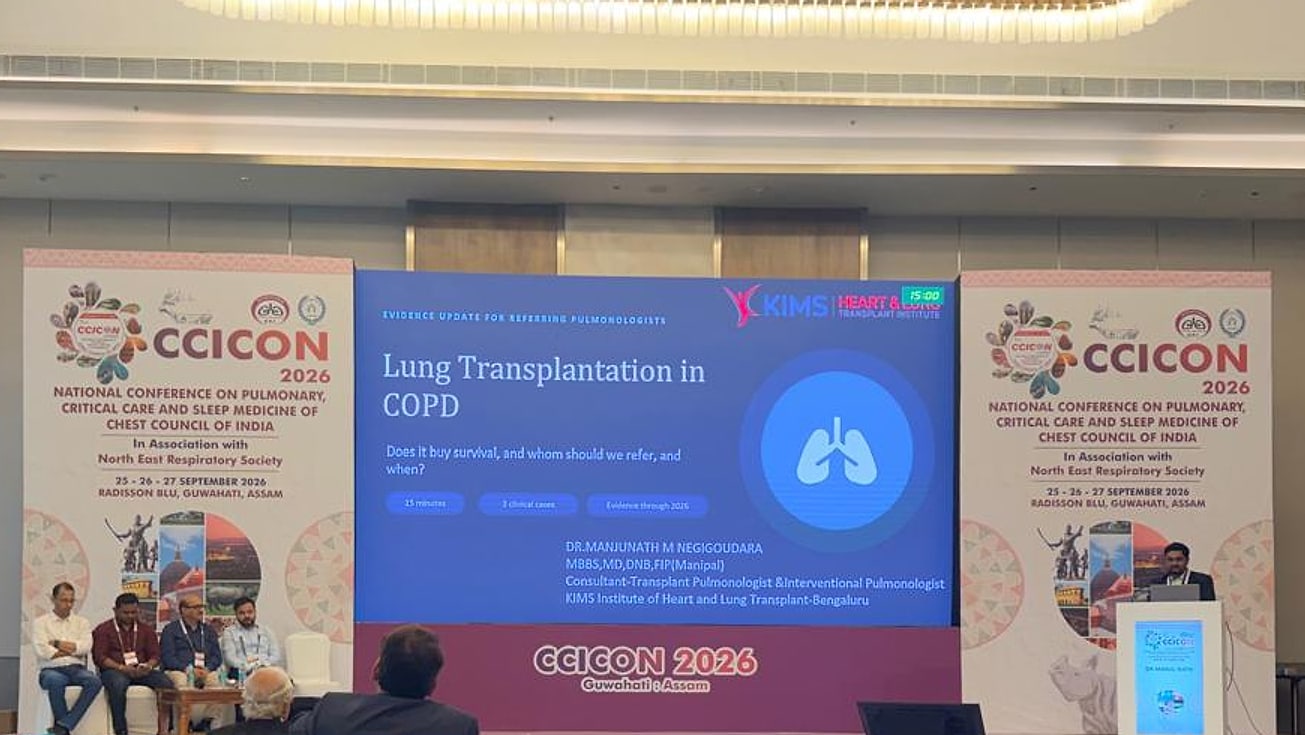
I am Dr. Manjunath M Negigoudara, a Transplant Pulmonologist and Interventional Pulmonologist at KIMS Hospital, Electronic City, Bengaluru. I have personally managed 250+ lung transplants within one of Asia’s largest thoracic transplant programmes. On 26 September 2026 I put this question to fellow chest physicians as national faculty at CCICON 2026, the national conference of the Chest Council of India in Guwahati: does lung transplantation buy survival in COPD, and whom should we refer, and when? This article answers the same question for patients and families.
In short
Yes, a lung transplant can improve survival in COPD, but only for the right patients at the right time. It is one of the commonest reasons for lung transplantation worldwide, and it reliably improves breathing and quality of life. Whether it also adds years depends on timing: in a large registry analysis, 79% of patients with very severe disease gained a year or more of life, against 11% of patients transplanted with milder disease. The tool that measures timing is the BODE index. The 2021 ISHLT consensus recommends referral to a transplant centre at a BODE score of 5 to 6 with an added risk factor, and listing at 7 to 10. Referral is a conversation and a work-up, not a commitment to surgery.
Can COPD be treated with a lung transplant?
Yes. Chronic obstructive pulmonary disease, which includes emphysema and chronic bronchitis, is one of the commonest reasons adults receive a lung transplant anywhere in the world. In emphysema the air sacs are destroyed and the lungs lose their elastic recoil, so air is trapped and every breath takes more effort. In chronic bronchitis the airways are narrowed and inflamed. Inhalers open the airways and reduce flare-ups. They do not rebuild destroyed lung. A transplant does.
It is not a first-line treatment, and it is not offered because COPD is “severe” on paper. It is considered when three things are true together: the disease keeps progressing despite the best medical treatment, the predicted outlook without a transplant is worse than the outlook with one, and the patient is otherwise fit enough to come through a major operation and a lifetime of anti-rejection medicines. Each of those is measurable, which is what the rest of this article is about.
Does a lung transplant help people with COPD live longer?
This is the honest centre of the question, and the answer is: for the right patients, at the right time, yes. COPD is a slower disease than pulmonary fibrosis, and some patients with very low lung function live for years. That makes the survival benefit of transplant harder to prove than in fibrosis, and it means that transplanting too early can cost a patient time rather than add it.
The clearest evidence comes from Thabut and colleagues, who analysed 8,182 COPD patients in the United States transplant registry and modelled each patient’s survival with and without a transplant. Their findings, published in the American Journal of Respiratory and Critical Care Medicine in 2008:
- Overall, about 45% of patients were estimated to gain a year or more of life from a double lung transplant, about 29% to gain or lose less than a year, and about 26% to lose a year or more.
- Among patients with FEV1 below 16% of predicted, 79% gained a year or more.
- Among patients with FEV1 above 25% of predicted, only 11% did.
- The factors that decided benefit were lung function, pulmonary artery pressure, body mass index, exercise capacity, overall functional status, and dependence on oxygen or a ventilator.
A Swiss study by Lahzami and colleagues in the European Respiratory Journal in 2010 approached it differently. They calculated the BODE score of 54 consecutive COPD transplant recipients before surgery and compared their survival with what the original BODE study predicted. Patients with a BODE score of 7 or more did better with a transplant than their predicted course without one. Patients with lower scores did not clearly gain survival.
Read together, the message is consistent. Transplant buys survival in COPD when the disease is genuinely advanced, and its benefit shrinks or disappears when it is done early. What it buys almost every recipient is breath: the ability to walk, climb stairs and sleep without the constant work of trapped air. For many families that is reason enough, and the transplant team will weigh it alongside survival.
What is the BODE index and how is it scored?
FEV1 on its own is a poor guide to how long someone with COPD will live. In 2004 Celli and colleagues published the BODE index in the New England Journal of Medicine, combining four measurements that together predict survival much better. Every number in it comes from tests most patients already have.
| BODE component | 0 points | 1 point | 2 points | 3 points |
|---|---|---|---|---|
| Body mass index (kg/m²) | above 21 | 21 or below | - | - |
| Obstruction: FEV1, % predicted | 65 or above | 50 to 64 | 36 to 49 | 35 or below |
| Dyspnoea: mMRC breathlessness grade | 0 to 1 | 2 | 3 | 4 |
| Exercise: 6-minute walk distance (metres) | 350 or above | 250 to 349 | 150 to 249 | 149 or below |
Source: Celli BR et al., New England Journal of Medicine 2004. Total score 0 to 10. FEV1 is the post-bronchodilator value on spirometry.
The mMRC grade is a simple question about breathlessness: grade 2 means walking slower than people of your age on level ground, or stopping for breath at your own pace; grade 3 means stopping for breath after about 100 metres or a few minutes on the level; grade 4 means too breathless to leave the house, or breathless while dressing.
In the original study the scores fell into four bands of risk: 0 to 2, 3 to 4, 5 to 6 and 7 to 10. Each additional point raised the risk of death by about a third. Patients in the highest band, 7 to 10, had a median survival of roughly three years, and only about one in five was alive at four years. That is the band in which a transplant’s outlook becomes better than the disease’s.
A worked example. A 56-year-old man with BMI 19 (1 point), FEV1 22% (3 points), who stops for breath after 100 metres (mMRC 3, 2 points) and walks 230 metres in six minutes (2 points) scores 8. He is in the band where listing should be discussed now. A 62-year-old woman with BMI 24 (0), FEV1 38% (2), mMRC 2 (1) and a 6-minute walk of 320 metres (1) scores 4. She needs her treatment optimised and her score repeated, and she should know the number that would change the conversation.
When should someone with COPD be referred for a transplant?
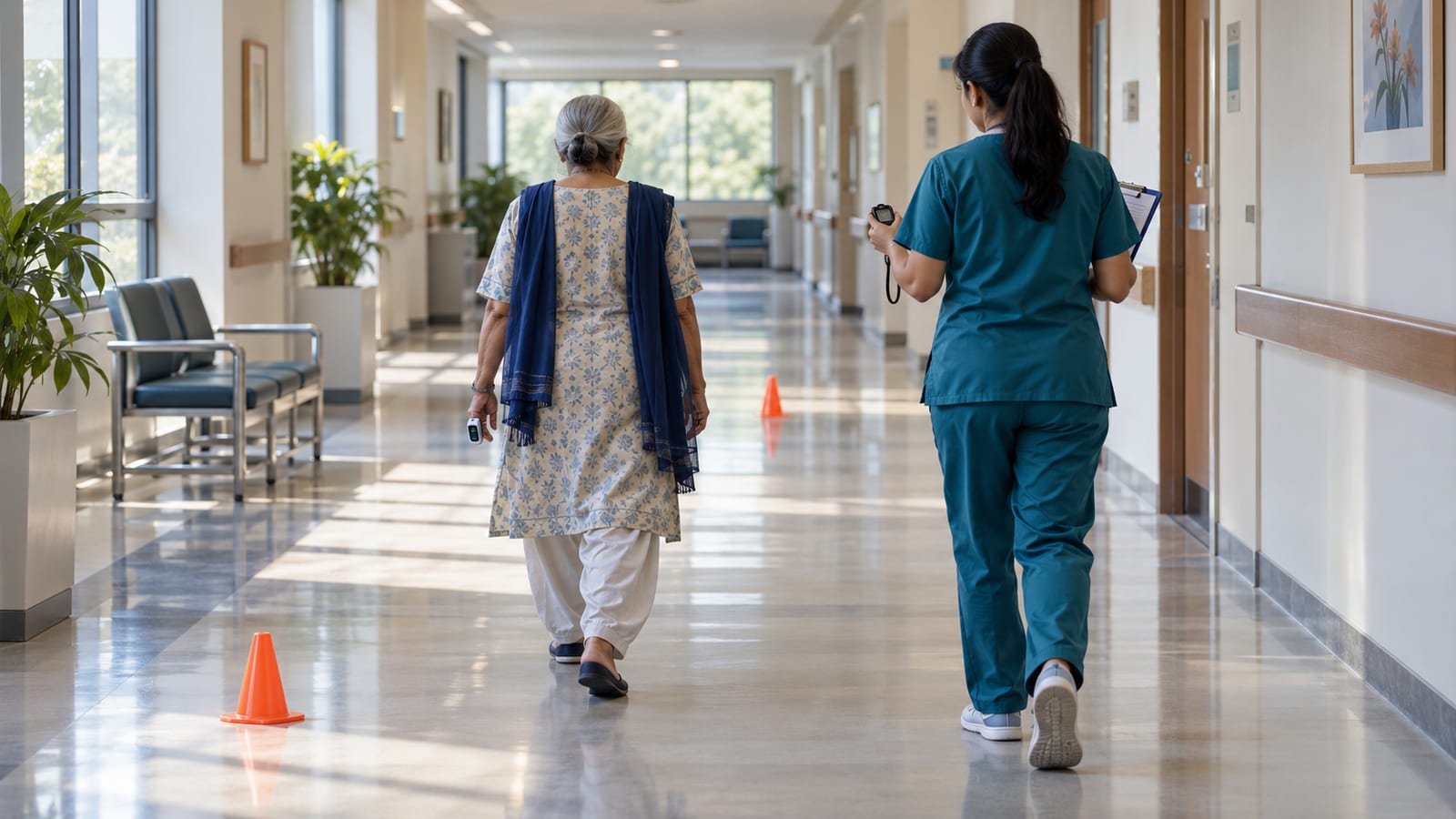
Earlier than most patients and many doctors expect. Evaluation takes weeks to months, waiting for a donor takes longer, and a patient who is referred only at the point of oxygen dependence and repeated admissions may be too weak by the time a lung is available. The 2021 consensus of the International Society for Heart and Lung Transplantation sets out when referral should happen.
ISHLT 2021: refer a patient with COPD to a transplant centre when
The disease is progressing despite maximal treatment, and the BODE index is 5 to 6 with at least one of:
- Frequent acute exacerbations
- A rise in BODE score of more than 1 point over the past two years
- A pulmonary artery wider than the aorta on CT (PA to aorta ratio above 1), a sign of strain on the heart
- FEV1 of 20 to 25% of predicted
Notice what referral means. It is a first assessment by the transplant team, the start of a relationship, and a plan for what to watch. Many patients referred at this stage are not listed for months or years. The point of referring early is that, when the score does move, the evaluation is already done and nothing is lost to paperwork.
When is a COPD patient ready to be listed?
Listing means joining the national waiting list for a donor lung. The same consensus recommends it at a higher threshold.
ISHLT 2021: consider listing when the BODE index is 7 to 10 with at least one of
- FEV1 below 20% of predicted
- Moderate to severe pulmonary hypertension
- Severe exacerbations
- Chronic hypercapnia: carbon dioxide persistently raised on a blood gas
These criteria map closely onto the Thabut findings: very low FEV1, a strained heart and dependence on oxygen or ventilation are exactly the features that predicted a survival gain. In India, listing is done by the licensed transplant centre after evaluation, through the state and national organ allocation system. The who needs a lung transplant guide covers the evaluation itself, and the cost guide covers what it costs.
If you or a parent has severe COPD
Know your BODE score before the next hospital admission
Dr. Manjunath M Negigoudara at KIMS Hospital, Electronic City calculates the BODE score on the first visit from spirometry, a 6-minute walk test, weight and a breathlessness grade, and states in writing whether ISHLT referral or listing criteria are met, what to optimise first, and when to reassess. Reports can be sent ahead on WhatsApp for a first opinion before you travel.
- BODE score and ISHLT criteria explained in writing
- Medical treatment checked and optimised before any transplant decision
- Lung volume reduction suitability considered alongside transplant
- Transplant unit in the same hospital if and when it is needed
What should be tried before a lung transplant?
“Progressing despite maximal treatment” is the first referral condition, and in my experience it is the one most often assumed rather than checked. Before transplant is discussed, each of these should be in place and documented.
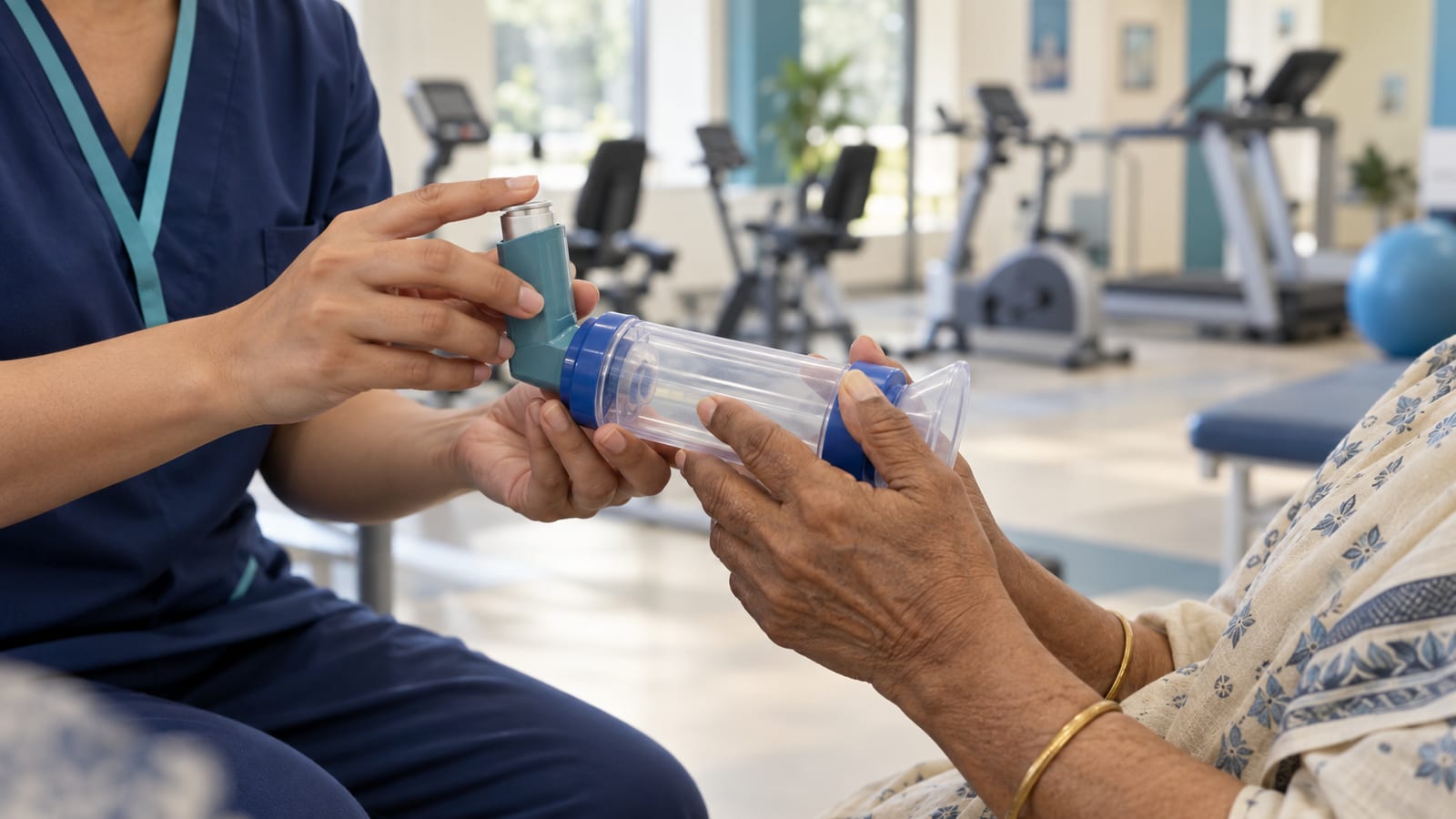
- The right inhalers, used correctly. A large share of patients referred as “not responding” are using a device they cannot operate properly. Technique is checked at every visit.
- Complete stopping of smoking, including bidis, hookah and chewed or vaped nicotine. It is also an absolute condition for transplant.
- Pulmonary rehabilitation. A Cochrane review of 65 trials found that supervised rehabilitation improves breathlessness, exercise capacity and quality of life in COPD. It also keeps a patient strong enough to qualify for transplant.
- Vaccinations against influenza, pneumococcus and COVID-19, because each exacerbation can permanently lower the baseline.
- Long-term oxygen, when it is actually indicated. Oxygen for at least 15 hours a day improves survival in patients whose oxygen level is severely low at rest. The LOTT trial (NEJM 2016) found no survival benefit in patients with only moderate desaturation, so oxygen is prescribed to a measured blood gas or oximetry result, not to a feeling.
- Home non-invasive ventilation for patients whose carbon dioxide stays high after an admission.
Lung volume reduction deserves its own mention. In some emphysema patients the worst damage is concentrated in one part of the lung, usually the upper lobes. Removing or collapsing that part lets the healthier lung work better. The National Emphysema Treatment Trial (NETT, NEJM 2003) showed that lung volume reduction surgery improved survival in patients with upper-lobe emphysema and low exercise capacity. The LIBERATE trial (2018) showed that one-way endobronchial valves, placed through a bronchoscope without surgery, improved lung function and quality of life in suitable patients with uneven emphysema and no collateral airflow between lobes; collapse of the lung (pneumothorax) was the main complication, in about a quarter of patients.
The ISHLT consensus is clear that lung volume reduction and transplant are not either-or. Patients who may suit volume reduction should be assessed for it in parallel with transplant referral, because both assessments start from the same HRCT, lung function and walk tests, and because a successful volume reduction can delay the need for transplant by years without closing that door.
Who is not a candidate for a lung transplant with COPD?
The 2021 ISHLT consensus lists the factors that make a transplant unsafe or unlikely to succeed. For COPD patients the ones that matter most in practice are:
- Any current smoking or nicotine use. Programmes usually require at least six months of complete abstinence, confirmed by blood or urine tests.
- A body mass index of 35 or more, which sharply raises surgical risk. Being very underweight is also a risk and is worked on before listing.
- Age over 70. Not an automatic exclusion, but combined with other illness it usually is.
- Severe frailty or deconditioning that rehabilitation cannot reverse.
- Significant disease of another major organ, such as uncorrectable coronary disease, advanced kidney or liver disease, unless a combined plan is possible.
- Recent cancer, with the required cancer-free interval depending on the type.
- No reliable support person for the months of recovery and the lifelong medicines.
Several of these are modifiable, which is another argument for early referral. A patient who is told at a BODE score of 5 exactly what stands between them and candidacy has time to stop smoking, gain or lose weight, and build strength. A patient who first hears it at a score of 9 usually does not.
Single or double lung transplant for COPD?
COPD is one of the few conditions where a single lung transplant is still an option, because the remaining native lung is not infected, as it would be in cystic fibrosis or bronchiectasis. In a registry analysis of 9,883 COPD transplants (Thabut and colleagues, The Lancet, 2008), median survival was about 6.4 years after a double lung transplant and 4.6 years after a single. The advantage of a double transplant was clearest in patients under 60, and small in older patients.
Single lung transplant is a shorter operation, can suit older recipients, and lets one donor help two people on the waiting list. The choice is made for each patient by the transplant team, based on age, the condition of each lung, the heart and the donor available.
How long do people with COPD live after a lung transplant?
ISHLT registry reports put median survival after lung transplantation at about 5.6 years for COPD and about 6.7 years for COPD caused by alpha-1 antitrypsin deficiency, a genetic form that tends to affect younger patients. A median is the midpoint, so half of recipients live longer, and many live well beyond ten years. These figures pool decades of transplants across many countries; outcomes in the most recent era and at high-volume centres are better.
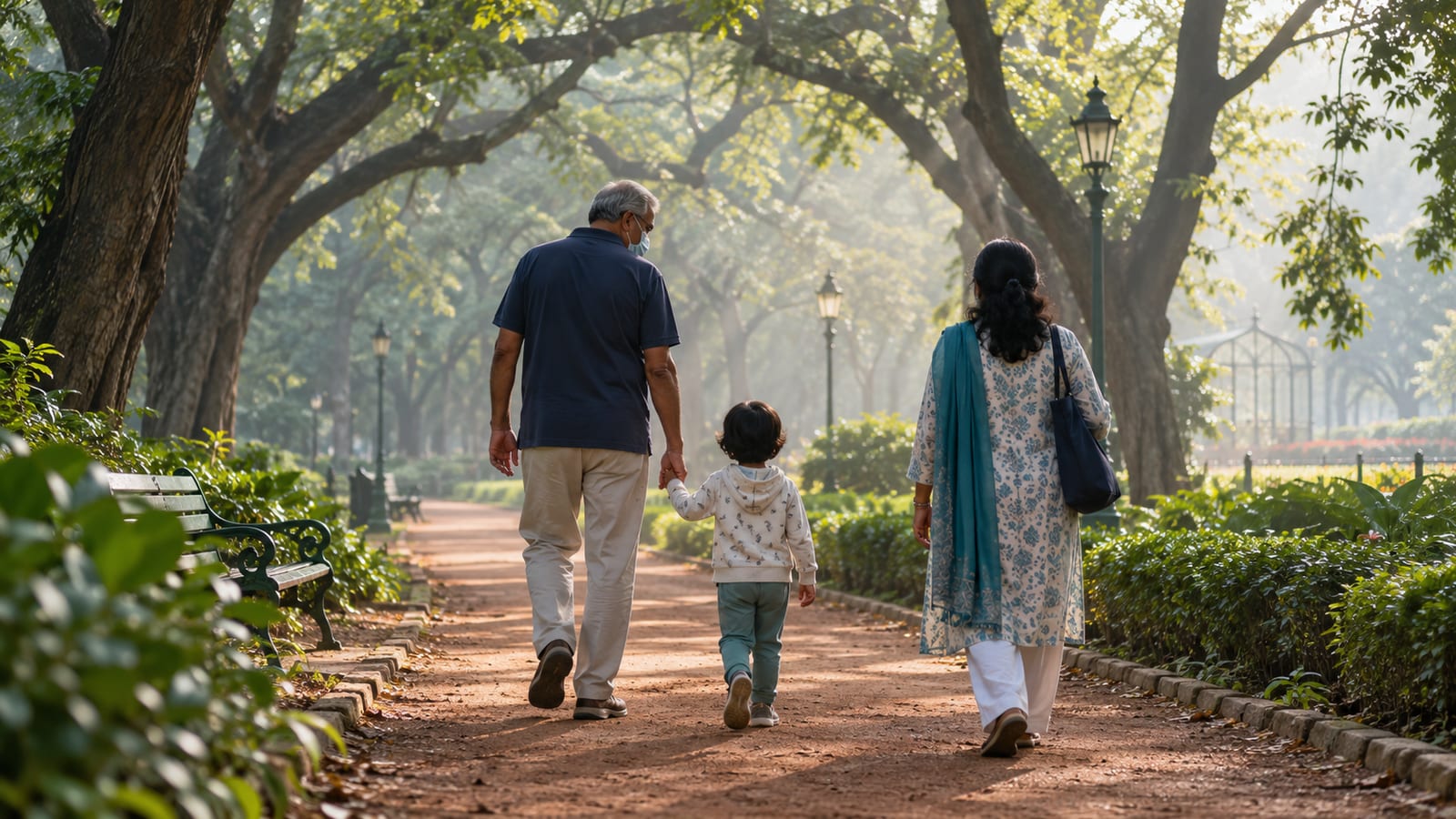
Set those figures against the BODE 7 to 10 band, where median survival without a transplant was roughly three years, and the reason for the listing threshold is plain. The first year after surgery, the medicines, rejection, infection prevention and returning to work are covered in life after lung transplant.
Is COPD in India different?
In three ways that matter for transplant.
It is common and under-recognised. The India State-Level Disease Burden Initiative estimated 55.3 million people with COPD in India in 2016, nearly double the 1990 figure, and found chronic respiratory diseases responsible for about 11% of all deaths in the country. Yet very few Indian COPD patients are ever referred for transplant assessment.
Smoking is not the only cause; the air is the other. Cigarettes and bidis remain the leading cause of COPD, but a large share of Indian patients, men and women alike, have never smoked. For them the cause is usually what they have breathed every day for decades: traffic exhaust, construction and road dust, industrial emissions, crop-burning smoke, and dust or fumes at work in construction, mining, textiles, welding and farming. The Global Burden of Disease analysis for India attributed 1.67 million deaths in 2019, 17.8% of all deaths in the country, to air pollution, with outdoor particulate pollution the largest share. Exposure begins in childhood, while the lungs are still growing, and lungs that never reach their full capacity have less reserve to lose later in life.
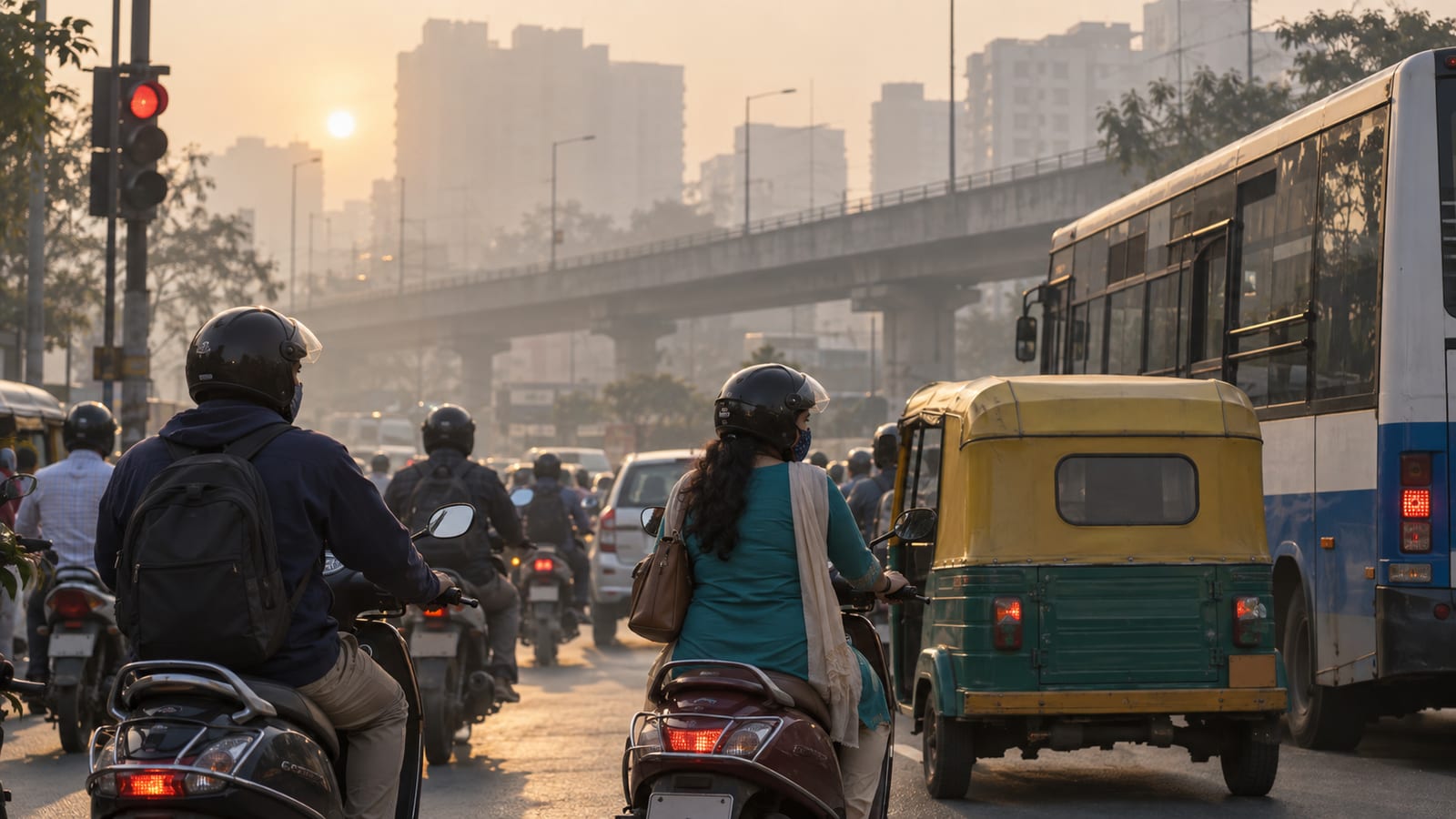
Never-smokers with COPD are assessed for transplant exactly like anyone else, and they start with one advantage: no smoking abstinence period to wait out. Patients who did smoke are not excluded either; they need to stop completely and stay stopped.
Old tuberculosis can imitate or complicate COPD. Lung damage after treated tuberculosis can produce the same obstruction on spirometry. The distinction matters, because scarring, bronchiectasis and pleural thickening from old TB change the surgical plan. An HRCT read by a transplant team settles it. It is also worth a one-time blood test for alpha-1 antitrypsin level in anyone with emphysema before 45 or a family history of it.
For patients from Bangalore, across India, and abroad
For patients in Bangalore
Dr. Manjunath M Negigoudara consults at KIMS Hospital, Electronic City, Survey No. 37 & 38, PES University EC Campus, Hosur Road, Konappana Agrahara, Bengaluru 560100, reachable from Silk Board, HSR Layout, Koramangala, Jayanagar, Bommanahalli, Sarjapur Road and Whitefield. Spirometry, a 6-minute walk test and HRCT can usually be completed on the day of the first consultation, so the BODE score is known before you leave. WhatsApp +91 88670 59997.
For patients from other parts of India
Patients travel from across Karnataka, Tamil Nadu, Andhra Pradesh, Telangana, Kerala, Goa, Maharashtra, Delhi NCR, Kolkata, Odisha and the North-East. Start with a remote pre-arrival review: WhatsApp the spirometry, any full PFT with DLCO, the 6-minute walk result, HRCT chest, echocardiogram, recent blood gas and the medication list to +91 88670 59997. Dr. Manjunath M Negigoudara reviews them personally and replies with a first impression, including the BODE score where the reports allow it, so that a single visit of one or two days is usually enough for a definitive plan.
For international patients
Families come from the SAARC region, the Middle East, East and West Africa and Southeast Asia. The sequence is: reports on WhatsApp for a written opinion, medical visa support from the hospital’s international patient team, an evaluation visit, a written plan, and video follow-up after return. The written opinion comes first, before any travel is booked.
Questions to ask at your next appointment
- What is my BODE score today, and what was it a year ago?
- Is my FEV1 the post-bronchodilator value, and is my inhaler technique correct?
- Have I completed pulmonary rehabilitation, and when can I start or repeat it?
- Do I need oxygen at rest, on walking or at night, based on a measured test?
- Is my carbon dioxide raised, and do I need home ventilation?
- Does my CT show emphysema that could suit lung volume reduction or valves?
- Do I meet ISHLT criteria for transplant referral now? If not, which one am I closest to?
- What would stop me being a candidate, and what can I change about it?
The honest summary
A lung transplant can add years of life for people with COPD, but only when it is done at the right point in the disease, which the BODE index measures. Referral belongs at a BODE score of 5 to 6 with an added risk factor; listing at 7 to 10. Before either, maximal medical treatment must be genuinely in place, and lung volume reduction should be considered alongside. Most barriers to candidacy are clearer, and more fixable, the earlier they are found.
If someone in your family has severe COPD, Dr. Manjunath M Negigoudara at KIMS Hospital, Electronic City, Bengaluru will calculate the BODE score, check the treatment, and tell you in writing whether transplant referral criteria are met and what the next twelve months should look like. Send the reports on WhatsApp to +91 88670 59997 for a first opinion, or book a consultation.
Frequently asked questions
Can COPD be treated with a lung transplant?
Does a lung transplant help people with COPD live longer?
What BODE score is needed for a lung transplant in COPD?
What is the life expectancy after a lung transplant for COPD?
Single or double lung transplant for COPD?
Who is not eligible for a lung transplant with COPD?
What should be tried before a lung transplant for COPD?
Can I get a COPD transplant assessment without travelling to Bengaluru first?
Medical disclaimer. This article is general information from Dr. Manjunath M Negigoudara’s clinical practice. It is not a substitute for an individual consultation. For specific advice about your condition, please schedule a consultation. For emergencies, call 108 (India) or go to your nearest emergency department.
More reading
-
 Patient education · World Thrombosis Day Pulmonary embolism - the warning signs, who is at risk, and the long-term risk most people miss
-
 Patient education · World Hospice & Palliative Care Day Palliative care in pulmonary fibrosis and COPD - living better with advanced lung disease
-
 Patient guide · Transplant access Lung transplant registration in India: how NOTTO listing actually works
-
 Patient education · Prognosis Pulmonary fibrosis life expectancy in India - what the numbers mean and what changes them

Next available
Book a consultation with Dr. Manjunath M Negigoudara
In person at KIMS Hospital, Electronic City, or by video